International adventures don’t have an age limit. In fact, many travelers over 55 are now finding the time and flexibility to experience new cultures beyond US destinations—without rushing through them. The kids are grown, college expenses are over, and retirement is at hand, providing the freedom to take longer trips.
While most retirement-age travelers are excited to explore abroad, many have questions about stamina, particularly if mobility is a challenge. Below are some senior travel tips to help you design a trip that’s rich in experience, light on exhaustion, and perfect for your pace.
Choosing Your Best Travel Style: Tour, Cruise, or Independent Adventure
When it comes to over 50 travel, the “right” way to go depends on your comfort level, mobility, and appetite for structure.
Escorted or small-group tours can be wonderful if you prefer a planned itinerary and local guidance. These options take care of logistics—transportation, entrance tickets, even restaurant reservations—so you can simply enjoy the experience. Look for operators that specialize in senior travel or small-group, flexible itineraries, allowing you to opt out of certain activities or choose lighter options. You may also want to find itineraries that offer free time to explore on your own, for days when you’re ready for an extra dose of adventure.
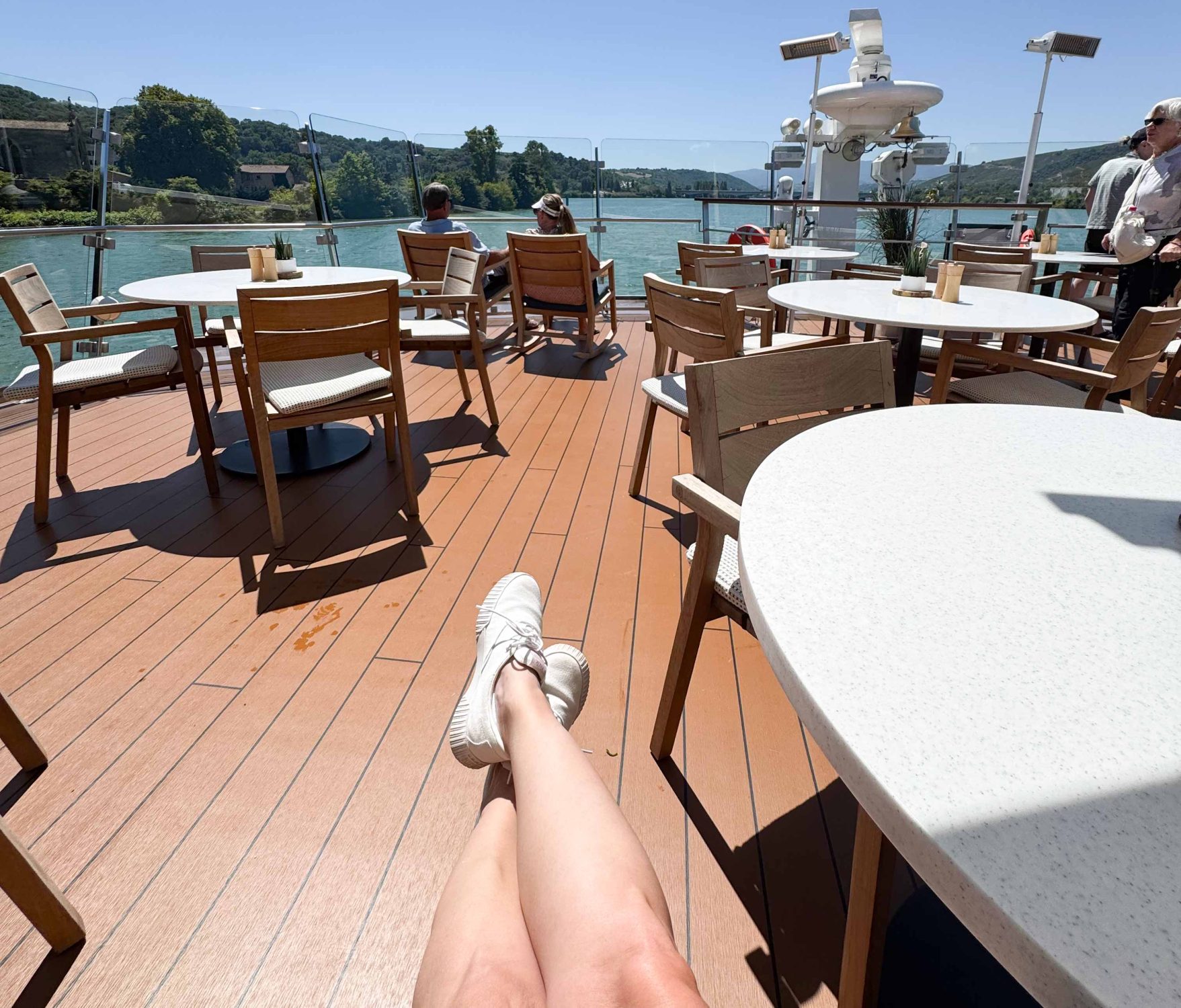
River cruises are another excellent choice for international senior travel. Ships like those sailing Europe’s Rhine, Danube, or Rhone rivers offer the advantage of unpacking just once while waking up to new scenery almost every day. Excursions are typically small-scale and often include mobility-friendly options such as panoramic bus tours or gentle walking groups. Since the included tours offered by most lines are designed to fill only 3-4 hours each day, you’ll also have time built in for rest, spa visits (on some lines), optional tours or just watching the world go by from your balcony.
If you’re more of a free spirit, custom or self-guided travel gives you freedom to set your own pace. This option is best if you plan to stay longer in each destination—three to five nights instead of one—so you’re not constantly packing and unpacking. A private driver, guide, or local concierge service can remove the stress of navigating transportation or ticketing, giving you the independence you want with the support you need.
How Much Walking Per Day Should You Plan?
The best senior travel tips are about balance, and that begins with pacing. Many older travelers overestimate how much walking they can comfortably do—especially in European cities where cobblestones, stairs, and hills can quickly add up.
Research indicates that a comfortable walking speed is about 2.75 miles per hour for adults over 50, falling to 2.1 mph over 65. If you walk for 4 hours, you’ll be covering close to 12 miles daily.
However, sightseeing isn’t the same as going out for a stroll. Considering you’ll be stopping to see the sights and experience the culture, a good rule of thumb is to plan for four to six hours of active sightseeing per day, building in in frequent rest breaks to experience local cafés, parks and restaurants. If you’re comfortable with it, local transportation—buses, trams, and taxis are your friends. Apps like Google Maps can estimate walking distances so you know what to expect before setting out. Remember that even “easy” sightseeing days exploring museums, castles or gardens can involve several miles of walking, including cobblestone paths and stairs.
Plan your heaviest walking days early in the trip when you’re freshest, and schedule a lighter, more relaxing day afterward. I also use an accordion style of travel planning, where I schedule in my must-dos for early in the day, penciling in more optional excursions for later. That way, if I don’t get to them, or I feel I want to return to the hotel for a rest, I can easily scratch them off my list.
How to Choose Lodging to Reduce Daily Walking Fatigue
Location can make or break your senior travel experience. In big cities, try to stay centrally located—within walking distance of at least one major attraction, café, or transit hub. While central hotels may cost a bit more, you’ll save both time and energy compared to long commutes from the outskirts.
Look for accommodations with elevators, accessible bathrooms, and restaurants or cafés on-site. Apartment hotels or small boutique properties can also work well since they offer kitchenettes for snacks or early breakfasts before tours. If you’re joining a cruise, ask where hotels are located relative to the embarkation dock to avoid unnecessary travel to reach the port location.
Most river cruise lines also offer land extensions, allowing you to add time in a certain locale to your river cruise. These side excursions offer an economic add-on while adding some important perks, including optional sightseeing tours, some meals and transportation to your port.
Mobility Aids That Travel Well
Mobility aids can make international travel for seniors far more comfortable, but they must fit your itinerary. Folding trekking poles or collapsible walking sticks are ideal for uneven terrain. Lightweight carbon-fiber canes pack easily and provide extra stability without bulk.
However, if you need something more stable, such as a walker, you may want to consider how crowded the location will be and the terrain you’ll be covering before booking a trip. Making your way through crowded city streets or over rough cobblestone lined roads may be more frustrating than it’s worth and make motorized sightseeing tours a better option.
If you rely on a mobility scooter, look for compact, airline-approved models with lithium batteries under airline watt-hour limits. These can be rented in many major cities abroad, and many cruise lines and tour operators can accommodate them. You will want to confirm elevator and vehicle access ahead of time though. And again, it’s important to ensure your scooter can handle the terrain and crowd conditions where you’ll be traveling.
For sightseeing, consider combining mobility aids with smart planning: use taxis or ride-shares to get to the top of a hill and walk down through the sights, or take a funicular or tram one way to reduce effort while still enjoying the experience.
Building in Free Time: The Secret Ingredient to Enjoyable Senior Travel

One of the most overlooked senior travel tips is to leave breathing room in your schedule. Not every minute needs to be filled with activity. In fact, the best travel memories often come from the unplanned moments—lingering over coffee in a sidewalk café, chatting with locals at a market, or simply people-watching in a plaza.
A good pace for over 50 travel includes one “light” or half day for every two active days. Use this time to relax, read by the pool, or take advantage of spa or wellness amenities. Structured free time keeps you refreshed and reduces burnout, especially on longer trips.
If you’re on a cruise or tour, skip an optional excursion in the afternoon or choose a shorter version. It’s better to return home feeling relaxed and fulfilled than to check every box and come back exhausted.
Activities That Provide Rest While Keeping You Engaged
When designing your itinerary, think of low-impact activities that still offer rich experiences. Great examples include:
- Café breaks between museums or walking tours. Treat yourself to coffee or wine while soaking up the atmosphere.
- Boat rides or gentle river cruises that let you rest while sightseeing—perfect for cities like Paris, Prague, or Amsterdam.
- Scenic train rides where you can relax and enjoy views without physical strain.
- Panoramic bus tours to get oriented at the start of your trip, then return later to your favorite stops.
- Cooking or art classes that engage your mind and senses while giving your feet a break.
- Wellness-focused experiences, such as thermal baths, massages, or leisurely park strolls.
Think of each day as a mix of discovery and recovery—active exploration balanced with restorative downtime.
The Joy of Traveling at Your Own Pace
The beauty of international travel for seniors lies in the freedom to do it your way. It’s about choosing experiences that fill you with wonder without draining your energy. With mindful pacing and smart planning, senior travel can be more rewarding—and more comfortable—than the whirlwind trips you may have taken in your 20s. Just remember: the best journeys aren’t about how far you go, but how fully you enjoy the moments along the way.
More Travel Insights